
Facebook Facebook Facebook Facebook
Close Panel

Log In

Fracking Moratorium Now!

Fracking is a high-risk drilling practice that is linked to contaminated drinking water, air pollution, earthquakes and health impacts in nearby states. Meanwhile, studies indicate that hitting the full-on switch to natural gas could result in out of control climate change. Maryland needs a legislative moratorium now to protect our communities from these dangers.

What is fracking?

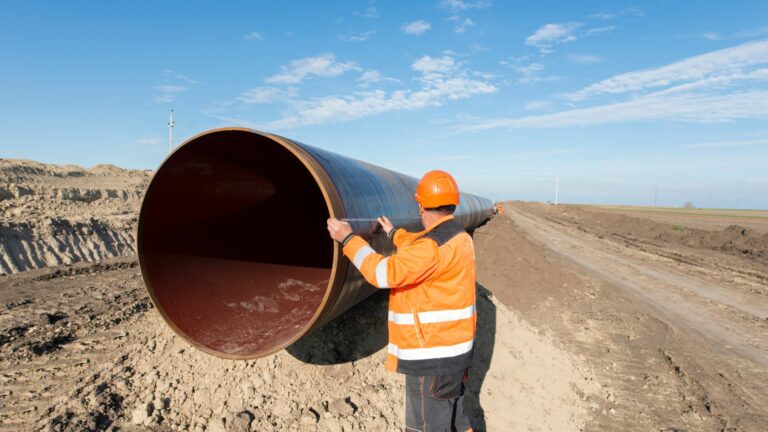
Fracking is a dangerous drilling method used to extract natural gas from shale rock. It involves drilling "L"-shaped pipelines deep underground and pumping a mixture of water, sand and toxic chemicals through them at high pressures to crack apart the rock and release gas packed within. Fracking involves the use of a variety of toxic chemicals, including benzene, xylene and toluene, which are known carcinogens, and millions of gallons of freshwater. Significant volumes of fracking water come back up to the surface loaded with heavy metals, chemicals, radioactive materials and salts. This hazardous wastewater poses an enormous disposal challenge and threat to water resources. The industrial well pads, machinery and truck traffic that come along with the drilling process disrupt rural towns, straining infrastructure, clogging roads and adding to noise and air pollution.

Fracking in Maryland

Marcellus Shale mapThe oil and gas industry wants to begin fracking in Maryland because Western Maryland sits atop the Marcellus Shale, an underground rock formation that spans areas from New York to Virginia, including Maryland’s Garrett and Allegany counties. The gas industry has already leased large swaths of land in those counties with the intent to frack.

In 2011, Governor Martin O’Malley issued an executive order establishing a commission to determine if and how fracking activity could be conducted safely in the state. He also set aside $1.5 million in his most recent state budget to fund the necessary risk studies. Unfortunately, that $1.5 million falls far short of the funding needed to complete the full suite of comprehensive and rigorous studies that Marylanders deserve. And worse, if the studies aren't completed by the time O'Malley's executive order expires in August 2014, Marylanders will have zero protections in place. The General Assembly must act to ensure that Marylanders have the strongest possible safeguards against the risks of fracking - and a voice in determining, once all the facts are on the table - whether fracking should ever move forward in Maryland.

Watch: concerned Marylanders at the Stop the Frack Attack Rally last July.

The Potential Impacts

  • Out of control climate change: After a year of devastating superstorms, debilitating drought and record heat, we can’t afford to invest in an industry that worsens the climate crisis. Studies indicate that fracking wells can leak significant amounts of methane, a powerful contributor to climate change. When accounting for the full life-cycle emissions of natural gas, over a 20-year period the greenhouse gas footprint of extracting shale gas is up to two times greater than the greenhouse gas footprint of burning coal. In 2011, the International Energy Agency found that a big switch to natural gas could result in a 6 degree F global temperature rise, a level of warming that would trigger catastrophic climate changes.
  • Air and water pollution: The fracking process is linked to significant releases of hazardous air pollutants and contamination of rivers and drinking water. Air quality testing near fracking sites shows some rural communities are facing levels of air pollution usually only found in big cities. Families in Dimock, Pennsylvania whose homes are located near fracking sites found that their water was brown enough to stain their laundry and documented cases of being able to set their tap water on fire. In 2011, the EPA found several toxic chemicals used in the fracking process in drinking water wells in Pavillion, Wyoming. The disposal of fracking wastewater is linked to the pollution of rivers in Pennsylvania.
  • Earthquakes: Maryland's Valley & Ridge Province, which includes areas west of South Mountain in Washington County and east of Dans Mountain in Allegany County, is full of fault lines. While none of these are currently active, fracking has been known to activate previously inactive fault lines. High pressure underground injections of fracking wastewater have been linked to an upswing in earthquakes across the U.S. Near the site of two fracking waste injection wells in Arkansas, the Center for Earthquake Research and Information recorded around 100 earthquakes in just seven days, including the largest quake to hit the state in 35 years.
  • Spoiled streams, state parks, & forests: According to the "Marcellus Shale Safe Drilling Initiative" study being executed by state agencies, fracking activity in Western Maryland has the potential to negatively impact streams, forests, and even state parks. About a third of Garrett County's stream reaches are associated with land parcels that have been leased for gas well activity. Impacted areas include Savage River State Forest, Potomac State Forest, Garrett State Forest, Youghiogheny Natural Resource Management Area, Mt. Nebo Wildlife Management Area, and Deep Creek Lake State Park. If fracking is allowed to proceed, the clearing of land and forests for drilling operations could threaten wildlife habitats and our natural heritage.
  • Economic damage: Western Maryland depends on tourism as a driver of its economy. Fracking turns surrounding countryside into an industrial zone, and could tarnish the area's appeal as a vacation spot, in addition to risking the water resources that farms and vineyards depend on. The strain of truck traffic could cost local towns and taxpayers millions of dollars in road repairs.

A Moratorium Now

We can't afford to wait and hope for real protections against fracking in Maryland. That's why CCAN is working with a coalition of public health, environmental, faith and other public interest groups to pass a legislative moratorium on fracking. In the 2013 General Assembly session, delegate Heather Mizeur and Senator Bobby Zirkin introduced a bill (SB 601/HB 1274) that would halt all fracking permits unless and until the state completed thorough scientific studies that assess whether or not fracking would harm public health, the environment or our communities.

In March, the bill came within one vote of passing out of committee for consideration by the full Senate, showing that if we continue building our coalition and pushing our legislators, we can protect public health and the environment from fracking. The General Assembly has a responsibility to act now.

Watch the video launching our Fracking Moratorium Now! campaign

Take Action

Learn More

Stories of Fracking Impacts from Across the Country

Chesapeake Climate Action Network    |  
6930 Carroll Ave, Suite 720 Takoma Park, Maryland 20912    |   +1-240-396-1981